CBD Bath Salts in Boston: An Evening Bath-and-Body Routine (and Where to Shop)
A step-by-step CBD bath-and-body routine for Boston winters: bath salts, foot roll-on and lip balm, safe water temperature, what labels can’t claim, and where to shop.
In this article
- What makes CBD bath salts different from a regular soak
- The evening routine, step by step
- The routine at a glance
- Where to buy CBD bath salts in Boston
- Epsom salt vs. pink Himalayan salt: what’s actually in the jar
- A quick checklist before you buy any CBD bath product
- What a bath product is (and isn’t) allowed to claim
- Who should skip the soak, or check first
- Do CBD bath products show up on a drug test?
- A heads-up about the federal hemp change
- Turning the routine into a gift
- Making the routine stick
- Frequently asked questions
In a nutshell
Where can you buy CBD bath salts in Boston? deVINE Boston on East Broadway in South Boston makes its own Soak & Soothe bath salts: 600mg of water-soluble CBD in Epsom and pink Himalayan salt with lavender oil, $42 a jar. Pair them with a foot roll-on and a CBD lip balm for a simple evening routine, keep the water warm rather than hot, and moisturize right after you towel off.
There’s a particular kind of Boston evening, usually sometime in January, when the radiator is clanking, your hands look like sandpaper, and the walk home from the T has left your feet feeling every block. That’s the evening this guide is written for.
CBD bath salts have become a popular way to turn an ordinary bath into something a little more deliberate. On their own, though, they’re just one step. What makes the routine worth doing is the order you do things in and what you put on your skin afterward. So instead of another product roundup, this is a step-by-step routine you can actually follow, built around products you can pick up in South Boston, with the safety notes most “self-care” posts skip.
What makes CBD bath salts different from a regular soak
Bath salts are mostly salt: Epsom salt (magnesium sulfate), sea salt, pink Himalayan salt, or a mix. Many are scented with essential oils. CBD bath salts add cannabidiol to that mix.
The interesting technical detail is how the CBD gets into the water. CBD is naturally oil-soluble, which means plain CBD oil tends to float on top of a bath in a thin film rather than spreading through it. Some makers solve that by using a water-soluble CBD, which has been processed so it disperses evenly when it dissolves. deVINE uses water-soluble CBD in its bath salts for exactly that reason.
It’s worth being clear about what a bath product is and isn’t. A bath soak is a cosmetic: something you use to cleanse, soften, and scent your skin. It isn’t a treatment, and anyone selling it as one is breaking the rules. More on that below.
If you’re newer to CBD and want the bigger picture of where it fits in day-to-day life, our look at CBD lifestyle and wellness products is a good place to start.
The evening routine, step by step
This takes about 45 minutes start to finish if you take your time, or 20 if you don’t. Everything here can be bought in one stop.
Step 1: Set the water temperature first
Warm, not hot. This is the step people get wrong most often, and it matters for both safety and skin.
On the safety side, the U.S. Consumer Product Safety Commission’s guidance on avoiding tap water scalds notes that a water heater thermostat setting of 120 degrees Fahrenheit may be necessary to reduce or eliminate the risk of most tap water scald injuries. If your building’s hot water comes out scalding, fill the tub with a mix and test it with your wrist or elbow before getting in.
On the skin side, board-certified dermatologists consistently recommend warm water and shorter baths when your skin is dry, because hot water strips the skin’s natural oils faster. The American Academy of Dermatology covers this in its short video on dry skin:
If you’re pregnant or have a heart condition, skip very hot baths entirely and check with your doctor before long soaks.
Step 2: Add the CBD bath salts under running water
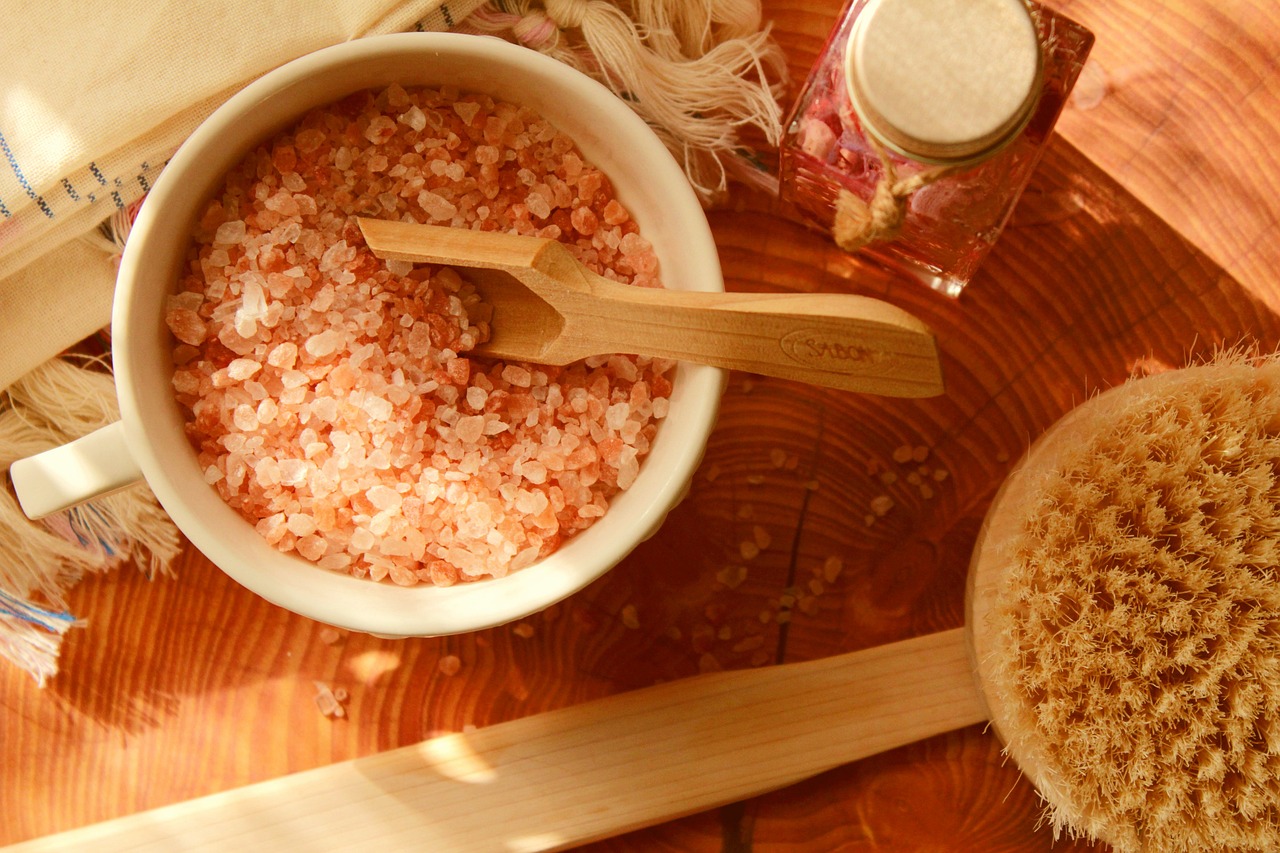
Pour the salts in while the tub is filling so they dissolve fully, then swirl the water with your hand. Coarse crystals that settle on the bottom of the tub are uncomfortable to sit on and don’t do anything for the water, so give them a minute to disappear before you get in. If your tub is small, start with less than the label suggests and add more next time if you want a stronger scent.
The product I’d reach for in Boston is deVINE’s Soak & Soothe lavender bath salts. Each glass jar contains 600mg of water-soluble CBD blended into Epsom salt and pink Himalayan salt, scented with lavender essential oil, and it’s made by deVINE in Boston. It costs $42.
deVINE’s directions are a heaping spoonful under warm running water, then a soak of at least 30 minutes. If your skin is very dry, you may prefer a shorter soak, in line with the dermatologist advice above. Either way, rinse off afterward if you like, and drink a glass of water, since a warm bath can leave you a little dehydrated.
A note on lavender. Lavender is one of the most common scents in bath products, and most people tolerate it well. But the National Institutes of Health’s fact sheet on lavender notes that topical products containing lavender may cause allergic skin reactions in some people, and that little is known about its safety during pregnancy or breastfeeding. If you’ve ever reacted to a lavender lotion, patch test first or choose an unscented soak.
Step 3: Pat dry and moisturize within a few minutes
When you get out, pat your skin dry with a towel instead of rubbing. Then apply your moisturizer of choice while your skin is still slightly damp. Dermatologists recommend this because it helps lock in the water your skin just absorbed.
This is the step that makes the biggest visible difference during a Boston winter, and it costs nothing extra if you already own a body lotion. Thicker creams and ointments generally hold moisture better than thin lotions, so if your skin is very dry, reach for the richer option in your cabinet.
Step 4: Look after your feet
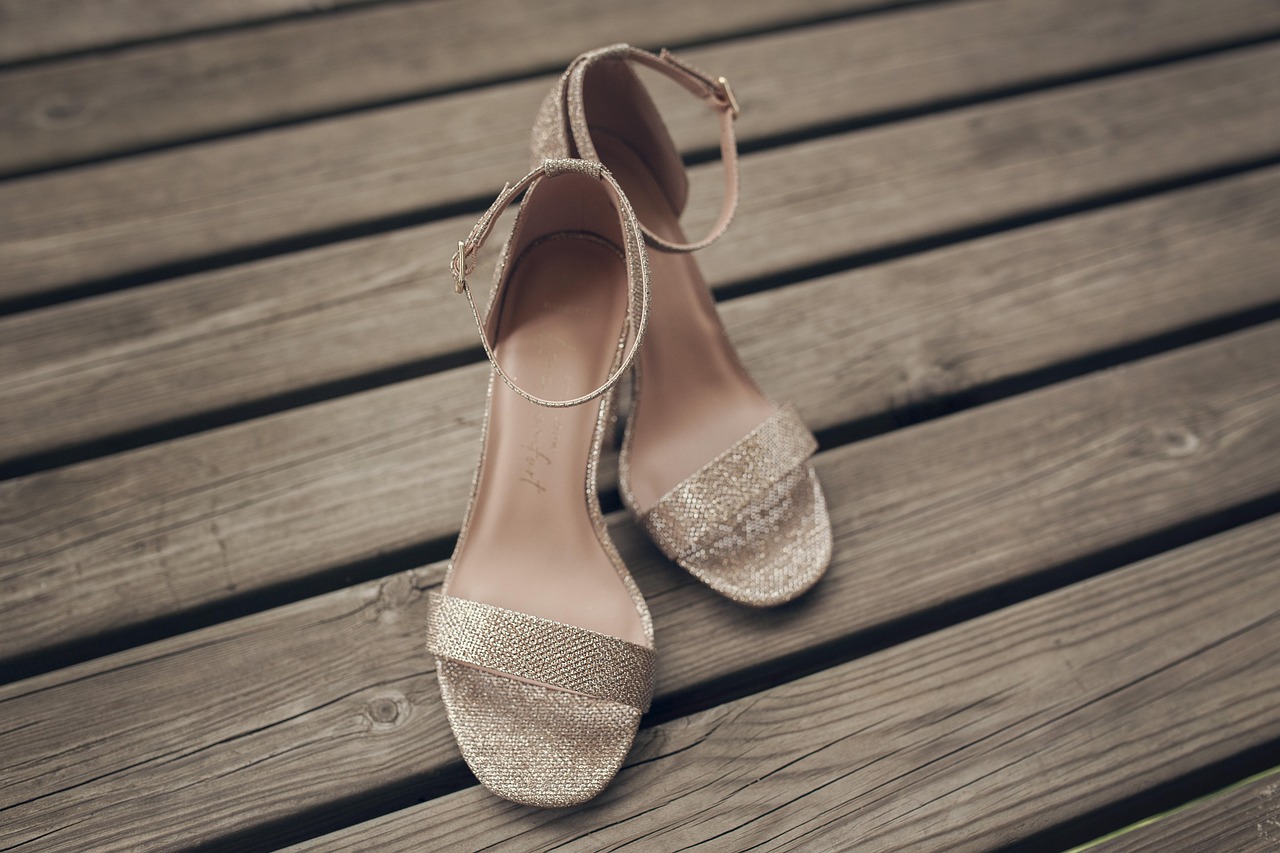
Feet get ignored in most routines, which is a shame, because they take the most punishment. Whether you spend the day in heels, work boots, or sneakers on brick sidewalks, a few minutes of massage at night feels good and helps keep heels from cracking in dry weather.
The High Heals CBD foot roll-on that deVINE stocks is made for exactly this. It holds 800mg of CBD in a 3oz (90ml) bottle with a rollerball applicator, so you can work it into arches, heels, ankles, and calves without coating your hands. The brand describes it as a soothing beauty cream formula, and the crown-and-stiletto packaging makes it an easy gift. It’s $60.
Roll it onto clean, dry skin, massage it in, and keep it away from broken or irritated skin. Put on clean socks afterward if you want the moisture to stay where you put it.
Step 5: Finish with your lips
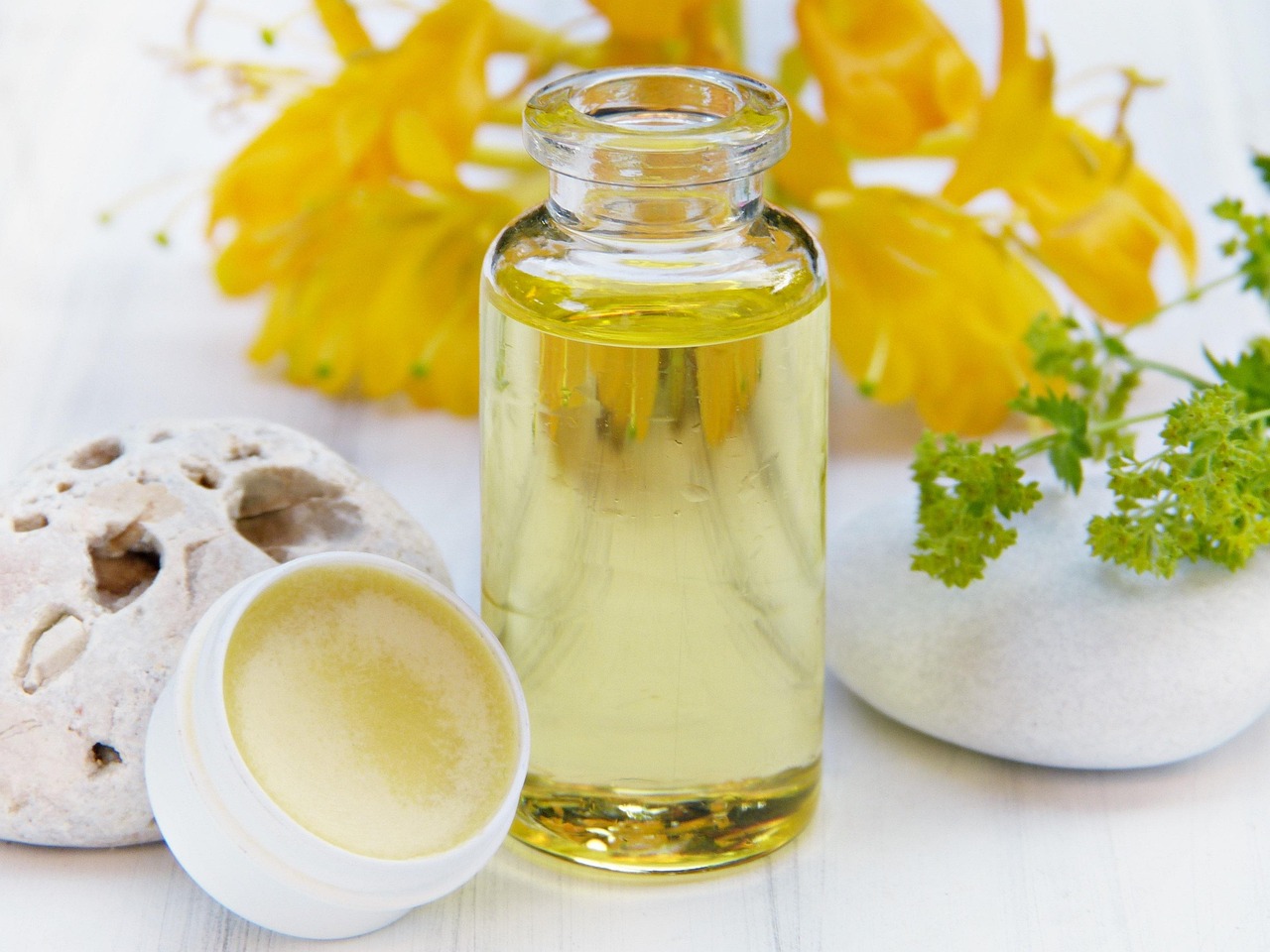
Indoor heat dries out lips faster than anything else in winter. A balm at the end of your routine, and again before bed, keeps them from cracking.
deVINE’s own Potty Mouth CBD lip balm is made with organic coconut oil, beeswax, and CBD, naturally scented with organic grapefruit. At $15, it’s the cheapest way to try a CBD product, and the cheeky name makes it a reliable stocking stuffer.
Optional step 6: A massage candle
If you want to go a step further, deVINE also carries Burn No. 2, a soy-based massage candle from maude made with jojoba and soybean oils and scented with pink pepper and cedarwood ($35.99). It’s designed to be lit, blown out, and then poured onto skin once the wax has melted into a warm oil. As with any candle, never leave it burning unattended, and always extinguish it before pouring. It contains no CBD; it’s simply a nice companion to the rest of the routine.
The routine at a glance
Where to buy CBD bath salts in Boston
You’ll see CBD bath products in a range of Boston shops. Here’s how the main options compare.
1. deVINE Boston, South Boston
For a one-stop routine, deVINE’s apothecary on East Broadway is the easiest choice. The shop opened in South Boston in 2019, makes its own bath salts, and stocks the foot roll-on, lip balm, and massage candle mentioned above on the same shelves.
Why it stands out: House-made products with clear ingredient lists, and product pages that state openly that experiences vary and that the shop makes no medical claims. That kind of plain language is a good sign in a category full of exaggeration.
Best for: Anyone building a routine or a gift set in one trip.
What to know: It’s at 619 E Broadway and open 10am to 10pm daily. Call (617) 315-7636 to confirm a product is in stock before you head over, especially during the holiday rush.
2. Bath, beauty and gift boutiques
Why they can be good: Great for scent and packaging, and staff often let you smell testers.
Best for: Gift shoppers who care most about presentation.
What to know: Many “CBD” bath bombs and soaks list very small amounts of CBD, or don’t list an amount at all. Check the milligrams on the label.
3. Smoke shops and convenience stores
Why they can be convenient: Open late and everywhere.
Best for: A last-minute pickup of a brand you already trust.
What to know: Skip any bath product promising to cure pain, anxiety, or insomnia. As explained below, those claims aren’t allowed on cosmetics.
4. Online
Why it can be good: Wide choice.
Best for: Restocking a product you already like.
What to know: You can’t smell it or check the jar before buying, and salts are heavy to ship.
Epsom salt vs. pink Himalayan salt: what’s actually in the jar
Most CBD bath salts use one or both of these, and they’re more different than they look.
Epsom salt isn’t table salt at all. It’s magnesium sulfate, a mineral compound that forms clear crystals and dissolves easily in warm water. It has been a bathtub staple for generations, mostly because of how the water feels and because it’s cheap and widely available.
Pink Himalayan salt is sodium chloride, the same basic compound as table salt, mined in Pakistan. Its pink color comes from trace minerals. In a bath it mainly adds texture and color, and coarse crystals take a little longer to dissolve, which is why adding them under running water helps.
Blends of the two, like deVINE’s, give you the quick-dissolving feel of Epsom salt with the look of pink salt. Neither changes what the label is allowed to claim: the soak is still a cosmetic, and it’s the scent, the warmth, and the ritual that people tend to enjoy.
A quick checklist before you buy any CBD bath product
- Does the label list the total milligrams of CBD in the jar?
- Does it say whether the CBD is water-soluble, if it’s meant for the bath?
- Are the salts and essential oils named, not just “fragrance”?
- Is there a batch number and a way to see lab results?
- Does the label avoid pain, sleep, and anxiety claims?
- Is it sold by a shop that checks ID and can answer questions?
Six yeses and you’ve found a product, and a seller, worth coming back to.
What a bath product is (and isn’t) allowed to claim
This is the single most useful thing to understand before you shop for CBD bath and body products, because it helps you spot sellers who cut corners.
The FDA’s guidance on aromatherapy products explains that how a product is regulated depends on its intended use. A product meant only to cleanse the body or make you smell good is a cosmetic. A product that claims to relieve pain, relax muscles, treat anxiety or depression, or help you sleep is making drug claims, and drugs have to be approved by the FDA for safety and effectiveness before they’re sold. The FDA also points out that a fragrance ingredient coming from a plant doesn’t automatically make it safe.
Massachusetts adds its own layer. The state doesn’t allow hemp CBD products that make therapeutic or medicinal claims.
So when you’re reading a jar of CBD bath salts in a Boston shop, here’s the practical translation:
- Fine: “Bath soak,” “softens skin,” “lavender scent,” “for a relaxing bath ritual,” the CBD milligrams, the salts used, and the essential oils.
- Not fine: “Relieves muscle pain,” “cures insomnia,” “treats anxiety,” “anti-inflammatory,” or anything naming a disease.
A seller who stays on the right side of that line is usually careful about everything else, too.
Who should skip the soak, or check first
Bath salts are simple products, but a few groups should be careful:
- People who are pregnant or nursing: Check with your doctor before long or very warm baths, and before using lavender or CBD products.
- People with heart conditions or low blood pressure: Hot water can make you lightheaded. Keep it warm, keep it short, and get out slowly.
- Anyone with broken, sunburned, or inflamed skin: Salt and fragrance can sting and irritate. Wait until the skin has healed.
- People with eczema or very sensitive skin: Patch test new products first and talk to a dermatologist about which ingredients to avoid.
- Anyone taking medication: Very little CBD is thought to reach the bloodstream through the skin, but if you take prescription drugs, mention any CBD products to your doctor or pharmacist.
Do CBD bath products show up on a drug test?
The risk from bath salts, roll-ons, and lip balms is generally considered much lower than from tinctures or gummies, because very little CBD, and any trace THC, is thought to pass through the skin. That said, “low risk” isn’t “no risk,” and you’ll usually swallow a little of whatever lip balm you wear. If you’re tested at work, check the product’s lab results for THC or ask the shop directly.
A heads-up about the federal hemp change
On December 11, 2026, a new federal definition of hemp takes full effect. Among other things, it limits finished hemp products intended for topical use to 0.4 milligrams of total THC per container. Most bath and body products contain little or no THC, so many won’t be affected, but some full spectrum topicals may be. If you have a favorite product, check its lab report now, and don’t be surprised if a few items quietly disappear from shelves this winter.
Turning the routine into a gift
The whole routine doubles as a holiday gift set, and it’s easy to put together in one stop. A jar of Soak & Soothe bath salts ($42) plus a Potty Mouth lip balm ($15) comes to $57 and covers the two most-used steps. Add the High Heals foot roll-on ($60) for someone who’s on their feet all day, or the massage candle for a partner.
A thoughtful touch: write the routine on a card. Warm water, salts under the tap, pat dry, moisturize, feet, lips. A gift with instructions gets used.
Making the routine stick
The routines people actually keep are the ones attached to something they already do. Try running the bath the same night each week, right after the dishes, or making Sunday your soak night before the work week starts. Keep the lip balm on your nightstand and the foot roll-on next to your slippers, so the last two steps happen without thinking. And don’t feel obliged to do every step every night. A quick foot massage and lip balm on a busy weeknight still counts.
Frequently asked questions
Where can I buy CBD bath salts in Boston?
deVINE Boston at 619 E Broadway in South Boston makes its own Soak & Soothe CBD bath salts with 600mg of water-soluble CBD, Epsom salt, pink Himalayan salt, and lavender oil. The shop is open 10am to 10pm every day.
Why does water-soluble CBD matter in bath salts?
Regular CBD is oil-based and tends to float on top of bathwater. Water-soluble CBD is processed so it disperses evenly through the bath as the salts dissolve.
How hot should a CBD bath be?
Warm, not hot. Hot water dries out skin faster and raises the risk of scalds; the Consumer Product Safety Commission notes that a water heater setting of 120 degrees Fahrenheit may be needed to reduce most tap water scald injuries. Test the water with your wrist or elbow before getting in.
Can CBD bath salts claim to help with sleep or sore muscles?
No. Under FDA rules, claims that a product relieves pain, relaxes muscles, or helps you sleep are drug claims, and Massachusetts doesn’t allow hemp CBD products to make therapeutic claims. A bath soak can describe its ingredients, scent, and how it feels on your skin.
Is a CBD lip balm safe to use every day?
Most people use lip balm daily without issue. If you notice irritation, stop using it. If you’re subject to drug testing, check the product’s lab results for THC, since you’ll swallow a small amount of any lip balm over the day.
Before you soak: important disclaimer
This guide is general information, not medical or legal advice. CBD bath and body products are cosmetics and are not approved by the FDA to diagnose, treat, cure, or prevent any disease. For external use only. Patch test new products, avoid broken or irritated skin, and stop use if irritation occurs. If you are pregnant, nursing, have a heart condition or a skin condition, or take medication, talk to a healthcare professional first. Products mentioned are sold to adults 21 and older. Federal hemp rules change on November 12 and December 11, 2026; check current law. Prices and availability were checked in late October 2026 and may change.

Juanita Green
More articles by this author